Training For Everyone
Improve Personal And Workplace Mental Health
Suicide Prevention And Intervention
SafeTalk
LivingWorks safeTALK is a fourhour, in- person workshop for participants aged 15+.
Through presentations, audiovisuals, and hands-on practice, participants learn to recognize signs of suicide, engage someone at risk, and connect them to appropriate resources.
The training is guided by a skilled facilitator, with community supports available to ensure safety and comfort.
ASIST
LivingWorks Applied Suicide Intervention Skills Training (ASIST) is a two-day, in-person workshop for participants aged 18+.
Through discussions, audiovisuals, and simulations, participants learn to recognize signs of suicide, provide skilled interventions, and create safety plans to help save lives. The course is led by two experienced trainers who ensure a safe and supportive learning environment.
Check our Store for Upcoming Dates

ASK
This one-day workshop challenges common beliefs about children’s capacity to consider suicide and builds awareness of signs that a child may be at risk. Using case studies and practical tools, participants learn how to gather and organize information to support safety planning. Designed for helpers working with children ages 5–14. Prior completion of safeTALK or ASIST is recommended but not required.

Understanding Suicide
This 1-hour session addresses common myths and facts about suicide, helps participants recognize warning signs of suicidal ideation, and builds confidence in starting supportive conversations.
The workshop offers practical guidance on how individuals can play a role in suicide prevention within their communities.
Mental Health Knowledge
Mental Health Awareness 101
This interactive session builds awareness around mental health and mental illness while addressing common myths and stigma.
Participants will learn to recognize key indicators of major mental illness, practice an empathy-based support strategy, and explore where to go for help with mental health concerns.
Mental Health First Aid
Developed by the Mental Health Commission of Canada, this course prepares participants to support someone facing a decline in mental well-being or a mental health crisis.
You’ll learn to recognize warning signs, have supportive conversations, connect to resources, and respond to crises—all while protecting your own well-being. Offered as one full-day or two half-day sessions.
Check our Store for Upcoming Dates

Stress Essentials
This practical session explores the signs, symptoms, and effects of stress while introducing participants to the AAABCs of Stress Management—simple strategies for coping effectively.
The workshop also highlights mindfulness as a key tool, providing guidance on what it is and how to practice it in daily life.

Mental Fitness
Just like physical fitness, mental fitness is essential for long-term health and well-being. This session highlights the benefits of building mental strength through simple daily practices that sharpen the mind, reduce health risks, and support overall resilience.

Mindfulness for Emotional Resilience & Wellbeing
This session introduces mindfulness as a practical self-care tool that can be integrated into everyday life. Participants will learn how the brain processes stress, explore emotional regulation, and discover strategies to build resilience.
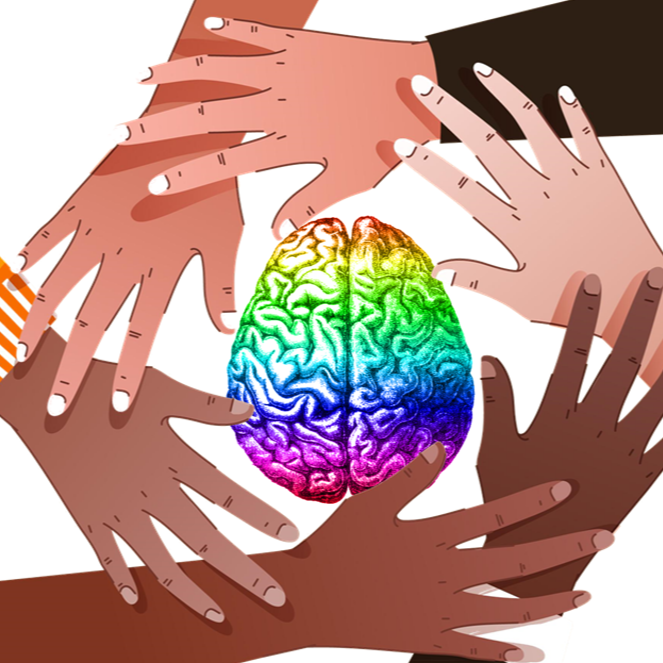
Racism - Effect on Mental Health
This session examines the effects of racism on mental and physical health, highlighting its connection to common mental health conditions. Participants will gain insights into the psychological and physiological impacts of racism, and explore positive coping strategies and selfcare practices that promote resilience and overall well-being.

a
Technology & Your Mental Health
Explore the impact of technology on emotional, social, and overall mental well-being in this workshop. Participants will learn to recognize signs that technology use may be having negative effects, and gain practical strategies to manage personal use, engage positively with digital tools, and support others in creating healthier tech-life balance.
Mental Health in the Workplace

Workplace Wellness
This session highlights the impact of mental health in the workplace and offers strategies to reduce stress, absenteeism, and disability costs. Participants will learn to recognize and address factors such as bullying, conflict, and gossip, while developing approaches to improve well-being and align with Canada’s Psychological Health and Safety Standard.

Managing Conflict
This workshop helps participants navigate difficult situations with confidence and skill. Learn to recognize mental health concerns, address challenging behaviours such as aggression or negativity, and apply strategies to de-escalate conflict.
The session also introduces creative problem-solving methods to shift dynamics and support positive outcomes.

Resiliency in the
Workplace
This presentation explores the mental health impacts of navigating uncertainty and change. Participants will gain insights into the characteristics of resiliency and learn strategies to strengthen and maintain their mental well-being. Part of a four part series on positive mental health strategies.

Strategies to Work Better&Live Happier
With 58% of Canadians reporting overload from the demands of work, family, and community, this workshop offers practical strategies to improve productivity, reduce stress, and find greater balance.
Participants will gain skills and techniques to boost well-being and increase overall happiness.
Mental Health in the Community

Addictions Fundamentals
This session equips participants with tools to identify, assess, and support individuals living with addiction. It explores the cycle of addiction, the impact of substances on the brain and behaviour, and provides a high-level overview of commonly used substances.
Through breakout activities, participants will practice applying assessment and support techniques. Ideal for frontline workers, addictions staff, and supervisors in community mental health and addictions settings.

Parallel Realities:
Supporting Clients Who Experience Psychosis
This experiential workshop introduces a client-centred, recovery-based framework for supporting individuals who hear voices or experience other parallel realities. Participants will explore foundational concepts, practical skills, and real-world examples, with learning reinforced through group discussion and reflection.

Empathic Strain
Informed by the TEND Academy, this interactive half- or full-day session helps participants create a personalized action plan to address the effects of compassion fatigue. Through practical strategies and group activities, the workshop supports managing the costs of caring and inspires meaningful change in both personal and professional life.
Check our Store for Upcoming Dates

Improve Your Client Notes
This session provides a framework for writing accurate, timely, and professional client documentation in line with Ontario regulatory standards. Participants will explore how proper documentation supports client privacy, progress, and outcomes while also balancing legal and professional risk through practical scenarios.
Check our Store for Upcoming Dates

Trauma Informed Practice
This workshop introduces the link between trauma and conflict, offering a foundation in trauma informed support. Participants will learn practical strategies to reduce conflict and better support clients with lived experience of trauma.
Check our Store for Upcoming Dates

Recovery Based Assessment
This session introduces the principles of recovery-oriented practice in community mental health and addiction settings. Participants will explore the assessment process through this lens and apply the framework to client case studies in group discussions.
Check our Store for Upcoming Dates

Group Facilitation & Theory
This interactive course introduces the foundations of group work and the skills needed to facilitate effectively. Participants will explore types of groups, stages of group development, facilitator roles and tasks, core facilitation techniques, and strategies for managing challenging group situations.

Concurrent Disorder:
Supporting Recovery Using
Stages of Change
This session builds knowledge and skills for identifying, assessing, and supporting individuals with cooccurring disorders addiction and mental health concerns. Learning is reinforced through group discussion and client case studies.
Ideal for frontline workers, addictions staff, and supervisors in
community mental health and addictions settings.

Mental Health 101 for Frontline Workers
This workshop introduces frontline staff to key concepts of mental health and illness. Participants will learn to recognize signs, challenge misconceptions, and build strategies to support individuals in distress. They will leave with greater confidence in responding to mental health challenges.
Offered as a half-day or full-day session.
For information, contact our Education & Training Department